Exhibition of towels embroidered in a foregn country
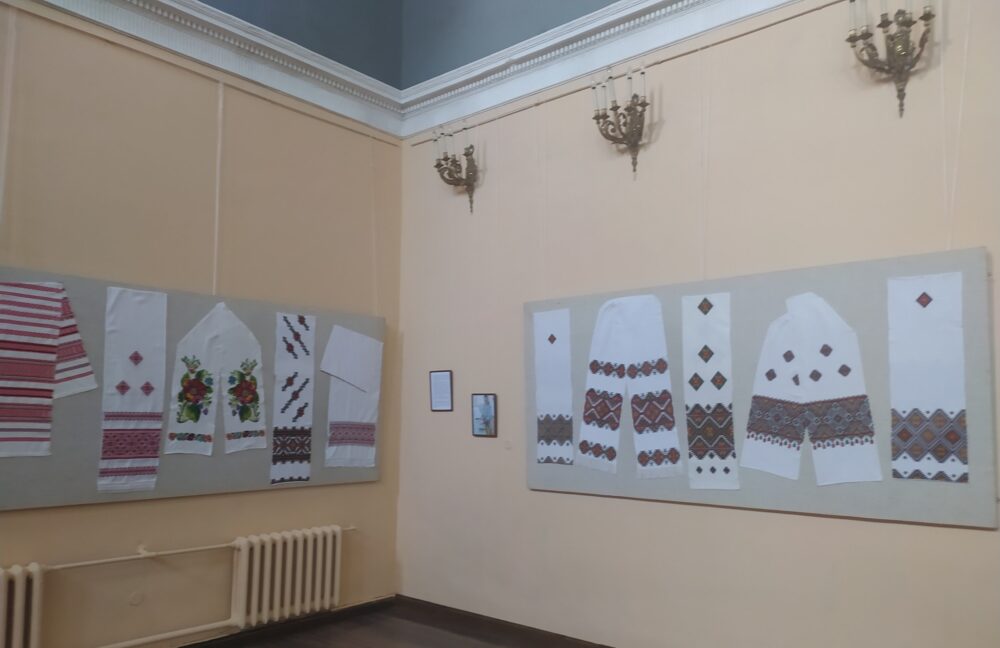
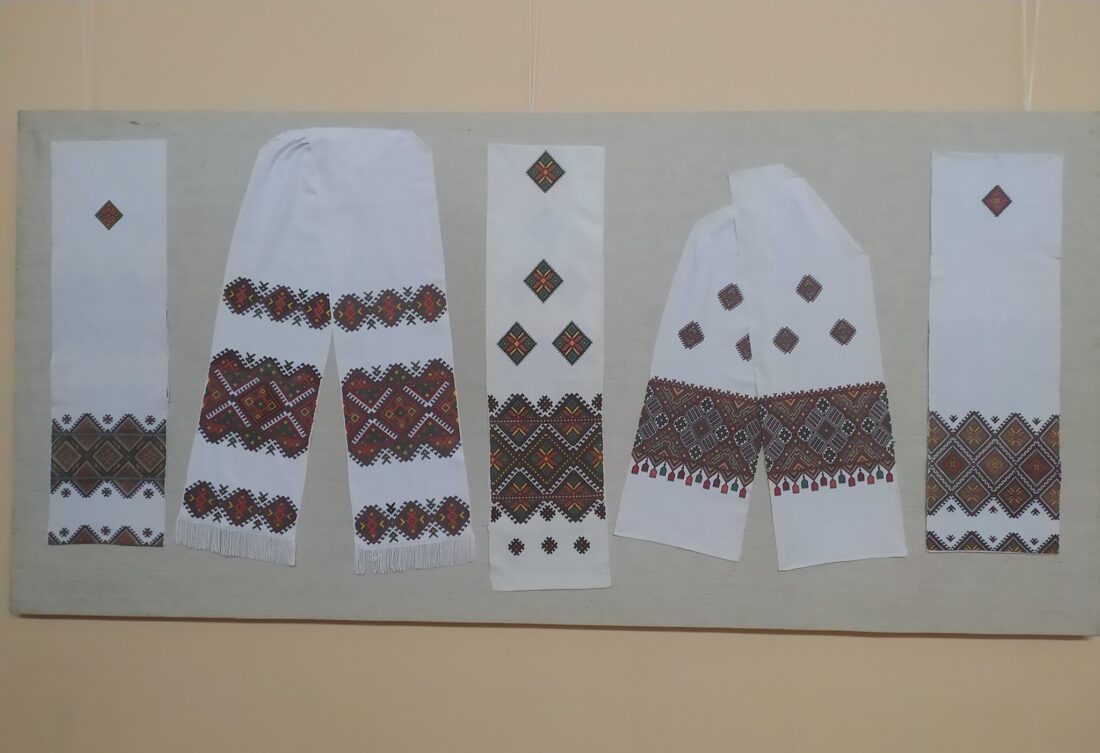
An exhibition of embroidered towels is open in the central hall of the Poniatowski Palace Museum. Their uniqueness lies in the fact that they were embroidered by Ukrainian women who were forced laborers in the Third Reich during World War II. Almost all towels are embroidered on homespun cloth with a counting cross. All embroideries are based on ribbon ornaments, mainly from the Polesie region.
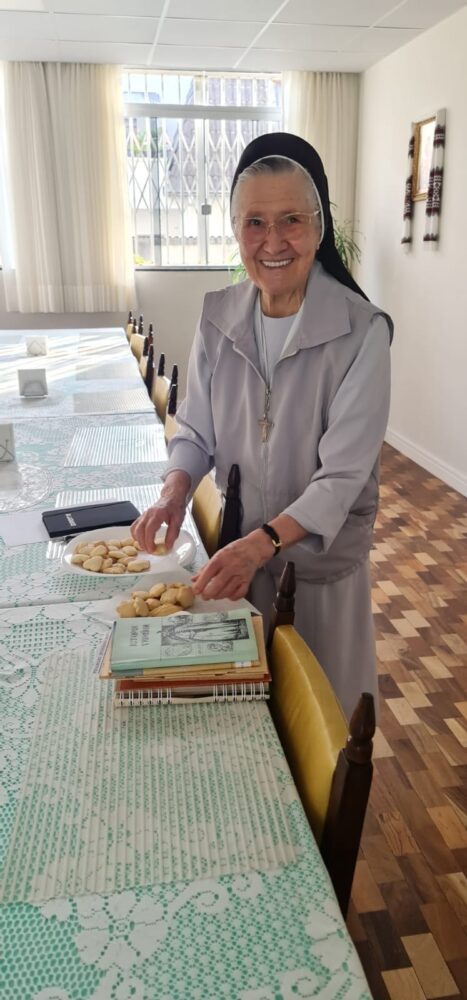
They probably embroidered towels in Ulm Cathedral, which remained intact during the war, although Ulm was destroyed. The women were helped by novice Olena Korolyuk, whose monastic name was Beninga. Her family roots are from the Ternopil region. Her grandfather left for Brazil at the end of the 19th century. The settlers were promised a lot of land at the time, and they received it, but it was in the impassable jungle. There was nothing to cultivate the land with, and the family was poor. Olena was born approximately in the 1930s. During the war, she lived in Ulm. At the age of 80, she returned to Brazil, where the Ukrainian language and traditions have been preserved. Despite her age, over 90 years old, she uses all social networks. She keeps a family archive of 3–4 generations.
It is likely that after 1958, the embroidered towels were transferred to the Ukrainian Greek Catholic Church in Neu Ulm, where they were used to decorate icons. Such towels are called “godly.”
In 2024, the priest of the Church of the Assumption of the Blessed Virgin Mary of the Ukrainian Greek Catholic Church in Ulm and Neu Ulm, Father Andriy Pizio, presented the embroidered towels to Tetyana Peretyatko, head of the public association “Soldiers’ Mothers of Korsun Region”, who donated them to the Reserve on his behalf. We sincerely thank you for this gift.